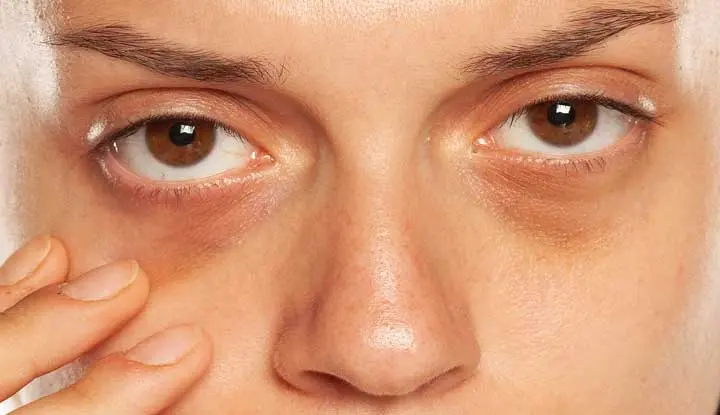
- Dark circles come in three main types: pigmented, vascular (visible veins) and hollows.
- Genetics, ageing, eczema, rubbing your eyes, fatigue and sun exposure are common causes.
- Pigmented circles respond to daily sunscreen and treatments chosen by a dermatologist.
- Hollows need volume, such as filler; an eye cream cannot fill a dent.
- Avoid home bleaching agents and lemon juice on the thin under-eye skin.
Quick answer: Dark circles are not one problem. They come from extra pigment in the skin, blood vessels showing through thin skin, or shadows from hollows and puffiness. Pigment responds to sunscreen, creams, peels and some lasers. Hollows respond to filler. Visible veins and puffiness need different care. A dermatologist can tell you which type you have, which decides what will work.
Dark circles are one of the most common reasons people visit a skin clinic in Dhaka. They are also among the most over-promised. Eye creams claim miracles, and home remedies spread on social media. The truth is that the right treatment depends on the cause.
The three main types of dark circles
| Type | What it looks like | Common causes |
|---|---|---|
| Pigmented | Brown or dark brown, does not change much when you stretch the skin | Genetics, sun exposure, rubbing, eczema, melasma |
| Vascular | Blue, purple or pinkish tint, more visible when tired | Thin skin, visible veins, poor sleep, allergies |
| Structural | A shadow under the eye that changes with light | Hollows (tear trough), puffy lids, ageing |
Many people have more than one type. Brown skin is especially prone to the pigmented type.
What causes dark circles
Mayo Clinic lists the most common causes as:
- Genetics
- Skin changes that come with ageing
- Eczema and contact dermatitis
- Rubbing or scratching your eyes
- Fatigue
- Sun exposure
- Changes in skin colour, including melasma and post-inflammatory hyperpigmentation, which are more common in people with brown or Black skin
Smoking, too much alcohol and stress can make them worse. Mayo Clinic also notes that what looks like a dark circle is sometimes a shadow from puffy lids or hollows that develop with age.
Treatments that actually work
For pigmented dark circles
- Daily sunscreen around the eyes, SPF 30 or higher, plus sunglasses outdoors.
- Prescription creams chosen by a dermatologist. The under-eye skin is thin, so strong products need guidance.
- Chemical peels using gentle acids, done in a series.
- Laser treatment for some types of pigment. Brown skin needs settings chosen carefully to avoid more darkening.
- Stop rubbing. If itchy eyes or allergies cause rubbing, treating them helps.
For vascular dark circles
- Cold compresses can reduce the look of swollen vessels for a short time.
- Better sleep makes existing circles less obvious.
- Eye products with caffeine, vitamin K or kojic acid have shown some benefit in studies, according to Mayo Clinic.
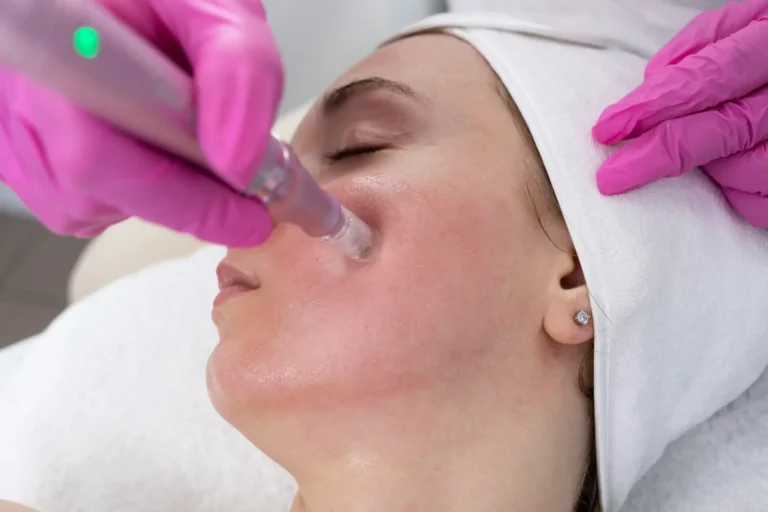
- Skin-quality treatments such as microneedling or PRP may help thin skin. Ask your doctor whether you are a suitable candidate.
For hollows and shadows
- Under-eye (tear trough) filler can smooth the hollow that casts a shadow. This needs an experienced doctor, as the area is delicate.
- Puffiness may improve with sleeping with your head raised, reducing salt at night, and sometimes surgery for fat bags.
What does not work well
- Home bleaching agents or lemon juice. They irritate thin skin and can make pigment darker.
- Expensive eye creams alone for hollows. A cream cannot fill a dent.
- Concealer only. Good for the day, but it does not treat the cause.
When to see a doctor
Mayo Clinic advises seeing a professional if you notice changes under just one eye that get worse over time. See a dermatologist if home care has not helped after a few months, or if the skin is itchy, flaky or swollen.
Find out which type you have
A short consultation can save months of trial and error. Learn more about dark circle treatment at LaserTreat, where a doctor will check your skin and explain which options suit you.
Frequently asked questions
Can dark circles be removed permanently?
Pigmented circles can fade a lot with treatment, but genetics and sun exposure mean maintenance is usually needed. Hollows treated with filler last many months, not forever.
Which treatment is best for dark circles in Bangladesh?
The best treatment depends on your type. Pigment usually needs sunscreen, creams and peels or laser. Hollows need filler. A doctor's assessment saves time and money.
Do eye creams work?
Some help mild pigment or puffiness. They will not fix hollows or deep, inherited pigment.
Is lack of sleep the main cause?
Not usually. Poor sleep makes circles more visible, but genetics, pigment and anatomy are often the root cause.
Sources
Laser Treat articles are written by our doctors from their clinical work and checked by a senior dermatologist before publishing. We update them when guidance changes.
Results vary from person to person. Every treatment follows a consultation with a doctor. Content on this site is for information and does not replace medical advice.