- Melasma can still darken in winter because UV, visible light, heat and skin irritation continue all year.
- A tinted, broad-spectrum SPF 30+ sunscreen every morning is the most important daily habit.
- Heat from cooking, heaters and hot water can also trigger pigment.
- Treatment often combines sun protection, prescription creams and sometimes a procedure.
- Results usually take 3 to 12 months, and maintenance is needed to stop it coming back.
Quick answer: Melasma can stay dark or even worsen in winter because the triggers do not stop when it gets cooler. UV rays still reach your skin on hazy days, visible light from the sun and screens affects pigment, and dry, irritated skin reacts more. Daily tinted sunscreen, gentle skin care and a dermatologist-led treatment plan are the most reliable ways to keep it under control.
Many people in Dhaka put sunscreen away when winter starts. The sun feels softer, the days are shorter and the sky is often grey with haze. Then, by January, the brown patches on their cheeks look darker than before. This is common, and there is a clear reason for it.
What melasma is
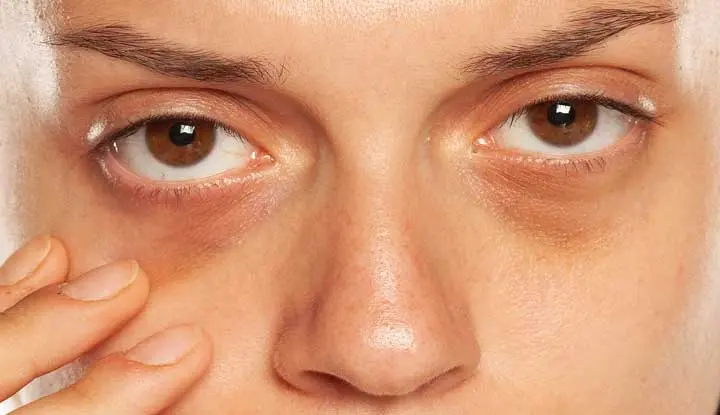
Melasma causes brown or grey-brown patches, usually on the cheeks, forehead, nose and upper lip. It is more common in women and in people with medium to deep skin tones, so it is very common in Bangladesh. It is not harmful, but it can last for years and affect confidence.
The American Academy of Dermatology lists its causes as sun exposure, pregnancy, stress, certain medical conditions, and some medicines such as oral contraceptive pills. Family history also plays a part.
Why melasma still darkens in winter
1. UV does not disappear
UV is lower in winter, but it does not switch off. Daytime errands, the school run, rooftop time and car windows all add up. The AAD advises sunscreen of SPF 30 or higher whenever you are outdoors, even on cloudy days.
2. Visible light still triggers pigment
Visible light, the light you can see, has been shown to worsen melasma, especially in darker skin tones. Ordinary sunscreens block UV but do little against visible light. That is why dermatologists recommend tinted sunscreen with iron oxides.
3. Heat from cooking, heaters and hot water
Harvard Health notes that melasma can be worsened by heat and visible light, not just the sun’s rays. In winter, long hot showers, room heaters and standing over the stove are common sources of heat on the face.
4. Dry, irritated skin
Cold, dry air weakens the skin barrier. Scrubbing, harsh cleansers or strong home remedies on dry skin cause irritation, and irritation can leave more pigment behind in brown skin.
5. Treatment fatigue
Many people pause their creams or skip follow-ups in winter because the problem feels less urgent. Melasma returns quickly when care stops.
How to control melasma in winter
Daily habits
- Use a tinted, broad-spectrum sunscreen with SPF 30 or more every morning. The AAD suggests looking for zinc oxide, titanium dioxide or iron oxide.
- Reapply every two hours if you are outside for long periods.
- Wear a wide-brimmed hat or use an umbrella on sunny afternoons.
- Wash with lukewarm water, not hot.
- Moisturise twice a day with a fragrance-free cream.
- Avoid scrubs, lemon, toothpaste and bleaching creams bought without a prescription.
Correct order for your morning routine
The AAD recommends this order: melasma medicine first, then sunscreen, then makeup.
Treatment options a dermatologist may use
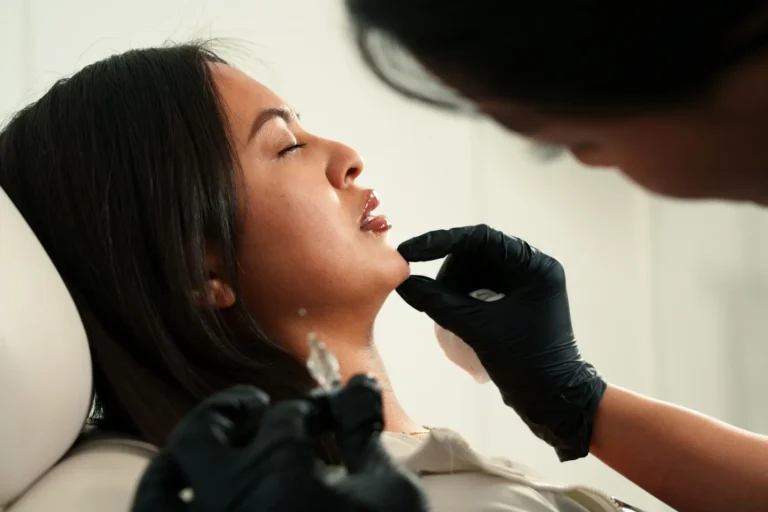
There is no single best treatment. The AAD says the most effective plan often combines sun protection with medicine applied to the skin, and sometimes a procedure.
| Treatment | How it helps | Notes |
|---|---|---|
| Prescription creams | Lighten pigment and slow its production | First-line treatment; needs doctor supervision |
| Oral tranexamic acid | Can help stubborn melasma | Only on prescription, after a health check |
| Chemical peels | Remove pigmented surface cells | Done in a series; must be gentle on brown skin |
| Laser and light treatments | Can add benefit for some patients | Used alongside creams and sunscreen; wrong settings can worsen melasma |
Winter can be a good season to start peels or laser, because sun exposure is lower and recovery is easier. Your doctor will decide what suits your skin.
How long does treatment take?
The AAD says it usually takes 3 to 12 months to see results when you follow your treatment plan, and longer if you have had melasma for many years. Maintenance is usually needed, because melasma can return.
Get a melasma plan that lasts
Melasma needs a plan, not a quick fix. Learn more about melasma treatment at LaserTreat, where a dermatologist will check the depth of your pigment and build a treatment plan around your skin and lifestyle.
Frequently asked questions
Do I need sunscreen in winter if I have melasma?
Yes. UV and visible light reach your skin all year. Use a tinted sunscreen every day.
Can melasma be cured permanently?
It can fade a lot, but it often returns if triggers continue. Most people need long-term sun protection and occasional maintenance.
Is laser safe for melasma on brown skin?
It can help some patients when used with creams and sunscreen, but wrong settings can make melasma darker. It should only be done by an experienced doctor.
Can I use whitening creams for melasma?
Avoid unprescribed whitening creams. Some contain steroids or mercury, which can damage your skin.
Sources
Laser Treat articles are written by our doctors from their clinical work and checked by a senior dermatologist before publishing. We update them when guidance changes.
Results vary from person to person. Every treatment follows a consultation with a doctor. Content on this site is for information and does not replace medical advice.